Do South Africans Need a Visa for the UK?
 Moving to the UK
Yes, South Africans need a visa for the UK, even for a two-week trip to meet a new grandchild. Your parents, siblings or friends apply online for a Standard Visitor visa, give their fingerprints and photo at a visa application centre in South Africa, and usually get a decision within three weeks. As of October 2026, a visa for up to six months costs £135.
Do South Africans need a visa for the UK?
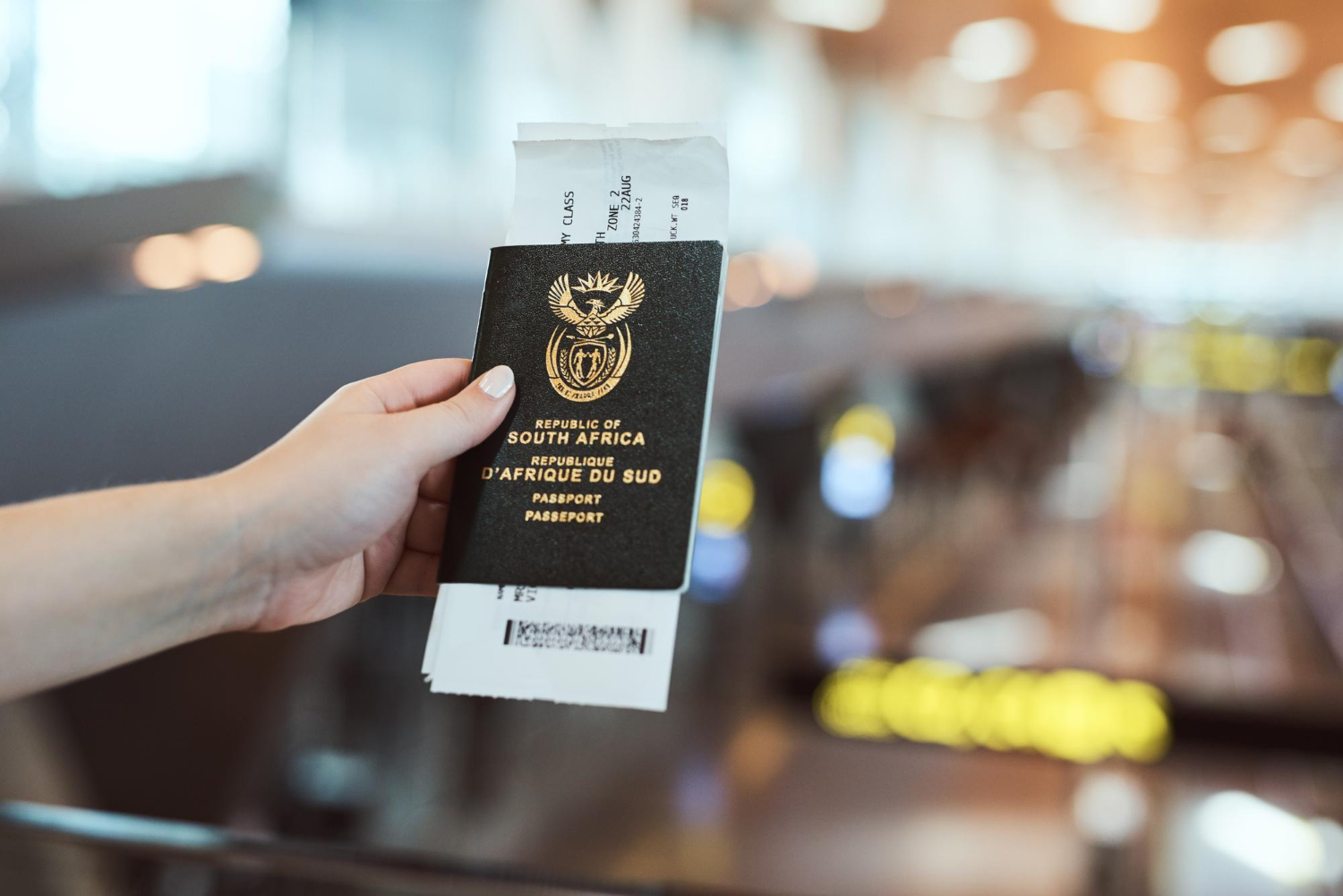
They do. South African passport holders have needed a visa to visit the UK since 2009, when the Home Office phased in the requirement, and the gov.uk visa checker gives the same answer today for a South African passport and a family visit.
What about the ETA?
The UK's electronic travel authorisation (ETA) is a £20 online permission for people who don't need a visa, mainly from Europe, the USA, Australia and Canada. South Africa is not on the ETA list, so an ETA does not replace the visa.
Dual nationals are different. ETA eligibility depends on the nationality shown on the passport you travel with, so a South African who also holds, say, a Portuguese or Dutch passport can usually get an ETA on that passport and travel on it. Anyone who is also British or Irish doesn't use a visa or an ETA at all: they travel on a British or Irish passport, or another passport with a certificate of entitlement.
What a Standard Visitor can and can't do
On a Standard Visitor visa your family can come for a holiday and to see family and friends, for up to six months per visit. According to gov.uk, visitors cannot:
do paid or unpaid work for a UK company or as a self-employed person
claim public funds (benefits)
live in the UK for long periods through frequent or successive visits
get married, register a civil partnership or give notice of either, which needs a Marriage Visitor visa instead
Weddings, new babies and helping with the grandchildren
Flying over for a family wedding or to meet a new baby is visiting family, which is exactly what the visa is for. Only a visitor who is getting married themselves needs the Marriage Visitor visa.
Childcare is where people get caught out. The Home Office's visit caseworker guidance says a relative may come to look after a child if it's a short visit and doesn't amount to being employed as a child-minder, and visitors can't act as au pairs. A few weeks of helping after the birth fits. Long or repeated stays as the family's regular childcare do not.
How much a UK visa costs for South Africans
These are the gov.uk fees as of October 2026. They rose on 8 April 2026 and are unchanged in the fee table that applies from 8 October 2026.
VisaFeeMaximum stayStandard Visitor visa£1356 months2-year long-term visit visa£5066 months per visit5-year long-term visit visa£9036 months per visit10-year long-term visit visa£1,1286 months per visit
The long-term visas suit parents who visit every year, but UK Visas and Immigration (UKVI) can grant a shorter visa than the one applied for, with no refund of the difference. Each person needs their own application, fee and appointment, so a couple pays twice.
For eligible applications, the priority service (£500 extra) usually gives a decision within 5 working days, and super priority (£1,000 extra) by the end of the next working day after the appointment. Check whether the option appears when you apply.
How to apply from South Africa
Apply online on gov.uk, no earlier than three months before travel. The form asks for travel dates, where they'll stay, the trip's cost and their income. You can fill it in for them, with their permission, if they can't do it themselves.
Book a biometrics appointment. UK visa application centres in South Africa are run by VFS Global. When VFS took over in October 2024 it listed centres in Johannesburg, Pretoria, Cape Town, Durban and Port Elizabeth (Gqeberha), so check the current list when booking. Some applicants are told they can use the UK Immigration: ID Check app instead.
Attend the appointment to prove their identity, give fingerprints and a photo, and hand over documents. The passport comes back the same day.
Wait for the decision. gov.uk lists the standard processing time for visit visas as 3 weeks from the appointment, as of October 2026.
Don't book flights until the visa is approved: UKVI won't reimburse travel costs. Paid optional extras at the centre don't improve the odds either, says gov.uk.
The visa is now an eVisa
Successful applicants get an eVisa, a digital record of their status, rather than a passport sticker (older stickers stay valid until they expire). They need a free UKVI account to view it, and must travel on the passport linked to that account, so a new passport means updating the account. The passport must also be valid for the whole stay. If yours is running down too, here's how renewing a South African passport in the UK works.
Documents that help, and ones that don't
It all comes down to one test: is this a genuine visitor? The gov.uk guide to supporting documents says the evidence should show they're coming for a permitted activity, will leave at the end, and can pay for their stay and the journey home. Nothing on it is compulsory, but these help:
bank statements that show where the money came from
proof of earnings, such as an employer's letter with their role, salary and start date
evidence of life in South Africa, such as a job, business registration documents or studies
old passports showing previous travel
The same guide lists documents that carry little weight: flight and hotel bookings, travel insurance, credit card statements, bank statements over a year old, personal photos, and the sponsor's utility or council tax bills.
On money, the caseworker guidance says documents should match the form, and a large recent deposit may prompt checks on its origin. If you're paying, declare it as sponsorship rather than moving money into a parent's account just before they apply.
Your sponsor letter from the UK
There's no compulsory invitation letter for a family visit. But if you, the sponsor, are providing travel, living costs or accommodation (having them stay with you counts), gov.uk says the application should show:
what support you're giving, and how
that you have enough money for yourselves, your dependants and the visitor
your relationship to the visitor
that you're in the UK legally, for example with a British passport or a residence document
A short signed letter pulls that together: who you are and your status here, how you're related, the visit dates, where they'll stay and what you're covering, backed by your bank statements and status documents. Make sure your letter and their form tell the same story, because the caseworker guidance treats discrepancies between visitor and sponsor as a reason for doubt.
Why UK visitor visas get refused
A refusal means the decision-maker wasn't satisfied, on the balance of probabilities, that the visitor meets the rules. The caseworker guidance says they weigh up:
Ties to South Africa. Its example of weak ties is someone with most of their family in the UK and no job or studies at home. That matters for parents whose children have all emigrated, so show what roots them there: home, work, other family and commitments.
Funds: too little money, or documents that don't match the form.
Travel pattern. There's no fixed "six months in twelve" rule, but officers are told to refuse if someone is effectively living in the UK through repeat visits.
Credibility: inconsistent or unverifiable information, or past deception by the visitor or sponsor.
Plans that look like work, including childcare that amounts to a job.
The refusal letter gives the reasons and says whether an administrative review or appeal is possible. The fee isn't refunded, so if they reapply, deal with each reason head-on.
Before they pack
Healthcare. In England, NHS guidance says people visiting for under six months should have personal medical insurance, and hospital treatment for anyone not ordinarily resident is charged at 150% of the national NHS rate. A&E is free, but not treatment once admitted. Travel insurance won't help the visa, but it's worth having.
Food. The rules for bringing food into Great Britain ban meat, meat products and most milk-based products from outside the EU, so the biltong and droëwors stay at home. Undeclared banned food can mean a fine of up to £5,000 in England. Biscuits and most sweets are fine, and you can stock up here: see our guide to South African shops, butchers and biltong in the UK.
Once they've landed
If the visit lines up with a Test, our Springbok fixtures and where to watch guide has you covered. To meet other South African families nearby or find a proper braai for the folks, download Howzit and check the community events.
General information, not immigration advice
This is general information based on gov.uk as of October 2026, not immigration advice. For your own situation, such as a previous refusal or a criminal record, speak to a regulated adviser. Immigration advisers must be registered with the Immigration Advice Authority (IAA), which replaced the Office of the Immigration Services Commissioner (OISC) in January 2025, or belong to an approved professional body. The gov.uk find an immigration adviser page links to the IAA's adviser finder.
Frequently asked questions
How much does a UK visa cost for South Africans?
As of October 2026, a Standard Visitor visa for up to six months costs £135. Long-term visit visas cost £506 for 2 years, £903 for 5 years and £1,128 for 10 years, with each visit still limited to six months.
How quickly can a South African get a UK visa?
The standard processing time is 3 weeks from the biometrics appointment, as of October 2026. For eligible applications, priority usually takes 5 working days and super priority until the end of the next working day.
How long can South Africans stay in the UK as visitors?
Up to six months per visit, including on 2, 5 and 10-year visas. Longer stays are only possible in a few cases, such as ongoing medical treatment, and repeat visits must not become a way of living here.
Do my parents need an invitation letter to visit me in the UK?
It isn't compulsory. But if they're staying with you or you're paying for anything, the application should show what you're providing, that you can afford it, how you're related and that you're here legally, and a signed letter backed by documents does that neatly.